How Can Apply for Phata Scheme in Punjab and What is Eligibility Criteria
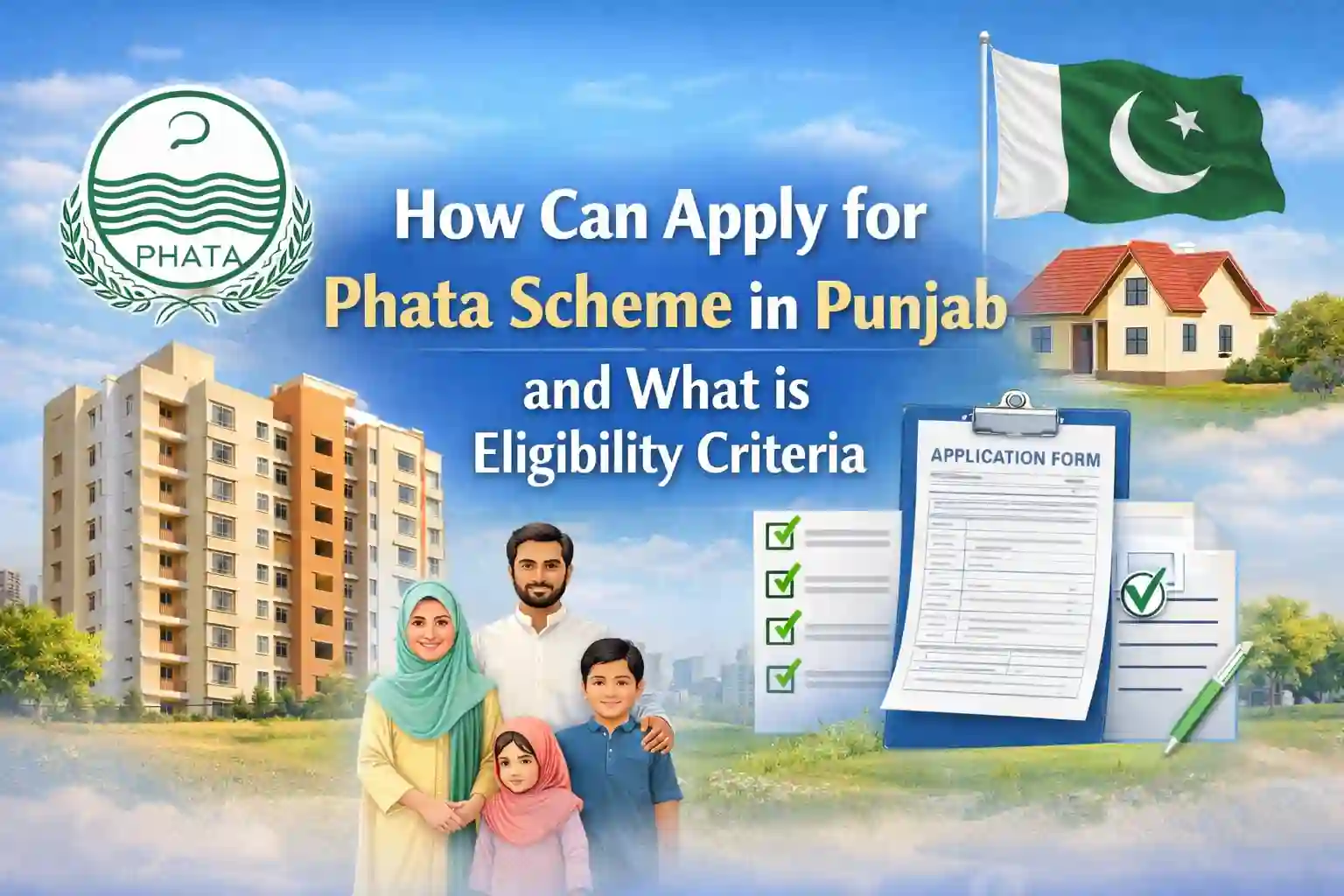
Punjab Housing and Town Planning Agency, commonly known as PHATA, plays a key role in planning and regulating affordable housing projects across Punjab. Many people search for PHATA schemes thinking it is a single housing project, but in reality, PHATA works as a regulatory and facilitating body behind multiple government-backed housing initiatives.
Over the years, PHATA-supported schemes have become popular among low- and middle-income families because they focus on planned development, legal security, and affordability. This post explains how to apply for PHATA schemes in Punjab, who is eligible, and what applicants should know before submitting an application.
What Is PHATA Scheme in Punjab
PHATA is a provincial authority established to promote planned housing and urban development in Punjab. Instead of selling houses directly in all cases, PHATA approves, supervises, and partners in housing schemes developed by public agencies and private developers.
PHATA schemes usually aim to:
- Provide affordable housing options
- Ensure legal and approved housing projects
- Promote planned urban growth
- Protect buyers from illegal societies
Many well-known government housing initiatives operate under PHATA’s regulatory framework.
Types of PHATA-Related Housing Schemes
PHATA schemes can appear in different forms depending on the project and location.
Government-Owned Housing Projects
These are housing schemes developed on government land with PHATA oversight. Units are offered at subsidized rates with installment plans.
Public-Private Partnership Projects
Under this model, private developers work with the government. PHATA ensures planning standards, approvals, and affordability conditions.
Low-Cost and Affordable Housing Schemes
These schemes specifically target low-income groups and first-time homebuyers, with smaller unit sizes and controlled prices.
Check Also: How Does the Verification and Loan Approval Process Work in ACAG 2026
How to Apply for PHATA Scheme in Punjab
The application process may vary slightly from project to project, but the general steps remain similar.
Step 1: Check Official Announcement
PHATA schemes are announced through official government portals, newspapers, and development authority websites. Applicants should always rely on official sources to avoid scams.
Step 2: Review Scheme Details
Before applying, carefully read:
- Location of the project
- Type of housing units
- Total cost and installment plan
- Eligibility criteria
- Application deadline
Each scheme may have slightly different conditions.
Step 3: Online or Manual Application
Most recent PHATA-supported schemes use an online application system. Applicants need to:
- Create an account on the relevant portal
- Fill in personal and income details
- Upload required documents
In some cases, manual forms may also be available through designated banks or offices.
Step 4: Submission of Documents
Commonly required documents include:
- CNIC of applicant
- Proof of income
- Proof of residence
- Affidavit of not owning property
All information must be accurate to avoid disqualification.
Step 5: Balloting or Merit-Based Selection
If applications exceed available units, computerized balloting is conducted. In some schemes, merit-based assessment is used, especially for special categories.
Step 6: Payment and Allotment
Successful applicants receive allotment letters and payment schedules. Initial deposits and installment plans are clearly defined.
Check Also: How Much Loan Is Offered Under Apni Chhat Apna Ghar Scheme 2026? (Complete Loan Details Guide)
Eligibility Criteria for PHATA Scheme
Eligibility criteria may vary slightly by project, but generally include the following conditions.
Residency Requirement
Applicant must be a resident of Punjab and hold a valid CNIC.
Property Ownership Status
Applicants usually must not own any residential house or plot anywhere in Pakistan. This is verified through declarations and records.
Income Limit
PHATA schemes are designed for low- and middle-income groups. Income limits are defined in each scheme’s policy to ensure affordability.
Age Requirement
Applicants must typically be adults, usually 18 years or older at the time of application.
Special Quotas
Some schemes reserve quotas for:
- Widows
- Persons with disabilities
- Government employees
- Overseas Pakistanis
These quotas depend on the specific project policy.
Important Things to Know Before Applying
Applicants should keep the following points in mind:
- Always verify the scheme’s approval status
- Never pay money to agents claiming guaranteed allotment
- Read installment terms carefully
- Understand possession timelines
- Keep copies of all documents
Common Reasons for Rejection
Applications may be rejected due to:
- Incorrect or false information
- Incomplete documents
- Not meeting income criteria
- Owning property already
Ensuring accuracy can significantly improve chances of success.
Current Status of PHATA Schemes in Punjab
PHATA continues to support multiple housing projects across Punjab. New schemes are being planned, while existing ones are under various stages of development. Digital application systems and stricter monitoring have improved transparency in recent years.
Check Also: Who Is Eligible for the ACAG Punjab Housing Scheme 2026? (Complete Eligibility Guide)
Conclusion – How Can Apply for Phata Scheme in Punjab and What is Eligibility Criteria
PHATA Scheme in Punjab is not a single housing project but a framework that supports and regulates affordable housing initiatives. Understanding how to apply and meeting eligibility criteria are key steps for anyone interested in these schemes. With careful planning and transparent processes, PHATA-backed housing projects offer a safer path to home ownership for many families in Punjab.